
中国家庭互惠生常见问题|真实故事:孩子排斥互惠生怎么办?😥
三周磨合还没破冰。
这位妈妈来找我时一句话:全家都头疼。爸爸、爷爷奶奶天天数落:“花钱请来个老爷,啥也帮不上。”更糟的是——5岁的小朋友一见互惠生就躲、就拒绝,连招呼都不打。🙅🏻♂️
互惠生是他们自己在网上找的,住进家里快3周,关系却越磨越僵。后来妈妈刷到我发的内容,决定来试试。📩
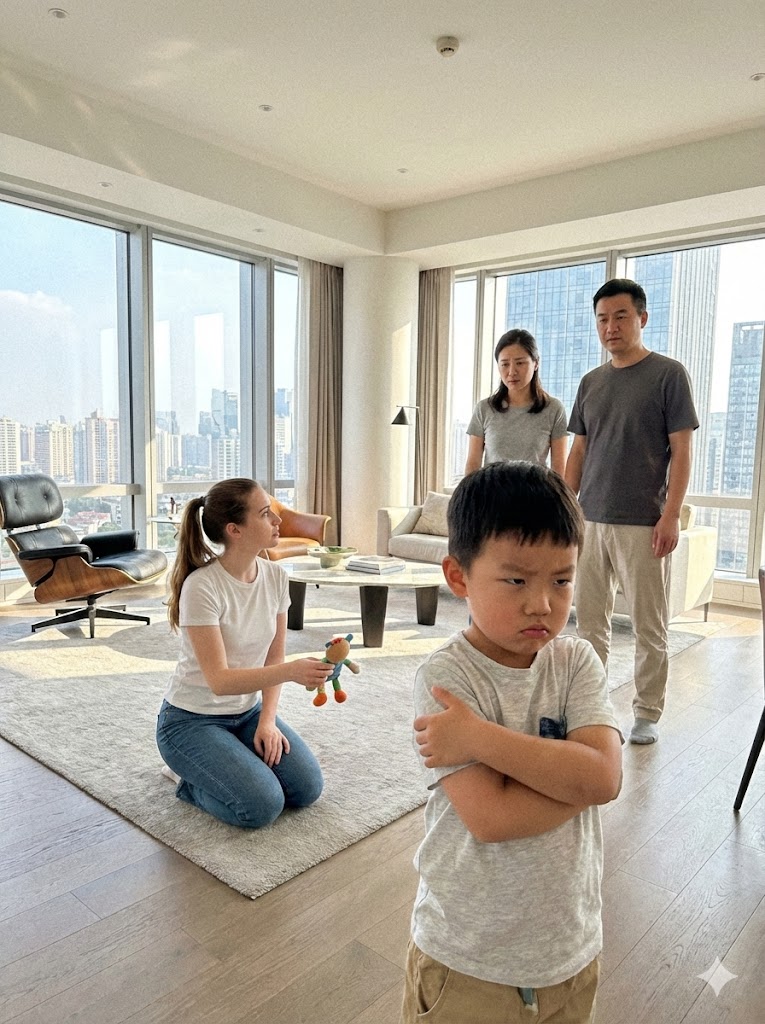
我安排了一次视频调解:妈妈、互惠生、孩子、我,四个人轮流交流。
孩子很内向,我问一句,他就低头不答;妈妈急得眼眶红;互惠生更委屈,镜头前直接掉眼泪:“我真的不知道他为什么排斥我。”🥲
听完我就明白了:
问题不在“孩子坏”,也不在“互惠生不努力”,而在——他们跳过了最关键的一步:从陌生到熟悉的建立。
这个意大利互惠生以前带过亲戚家的孩子,但那是“本来就认识”的关系;他缺少“如何靠近陌生孩子”的方法。没有培训,就很容易用错劲:越想热情,越像压力。😮💨
我先对妈妈说:只要互惠生愿意磨合、家庭愿意给时间,通常一周内就能看到明显变化。然后我给互惠生一份“行动指南”——先跟随,再连接。🧩
✅ 第1-3天:只做“平行陪伴”(别急着聊天/教学)
- 孩子做什么,你就在旁边做同样的事:他看绘本,你也拿一本;他搭积木,你也搭。
- 他不让你碰他的玩具?没关系,你拿别的在旁边玩。
- 不要一直提问、不要催他说话、不要强行让他“跟你玩”。
- 你只需要观察:他喜欢什么、怕什么、什么时候愿意靠近。👀
✅ 语言怎么用?
只做“模仿 + 轻描述”:孩子说什么你复述一遍;偶尔加一句很短的英文描述(不纠错、不考试)。🎈
第三天,互惠生发我消息:真的发生变化了。
第二天他模仿孩子时,孩子还会笑他;第三天孩子已经愿意把玩具递给他,一起笑、一起玩——像突然“破冰”。✨
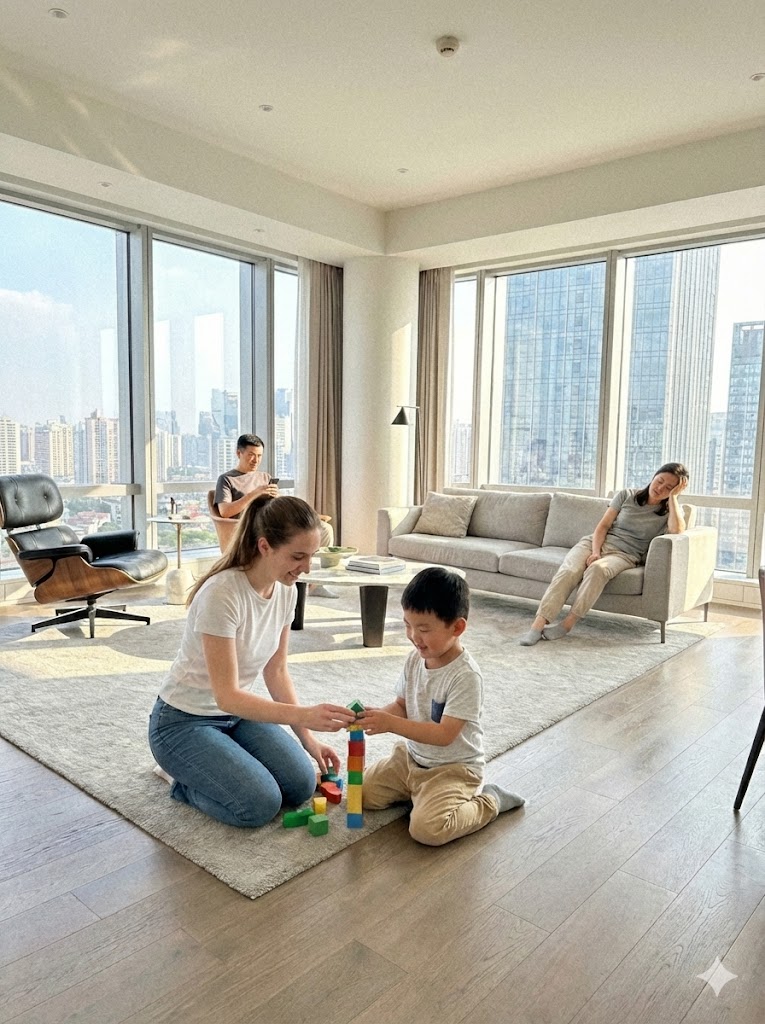
妈妈后来坚持要付咨询费。我跟她说:这次先算小忙,你们自己找的互惠生,我先帮你把路走顺;刚好我也意识到我后面可以单独加个“视频家访调节”的咨询服务;
后面需要更系统的匹配、培训和跟进,我们再谈。🙂
这件事我想提醒所有家庭:
互惠生不是“请个外国人来家里就自动会带娃”。高质量陪伴需要方法——尤其面对第一次接触、天生慢热的孩子。
📌一句话顺序:先让孩子“在你旁边也舒服” → 再让他“愿意靠近” → 最后才是“双语互动”。✅
Common Issues for Chinese Host Families|Real Story: What to Do When Your Child Rejects the Au Pair? 😥
Three weeks in, and they still haven’t broken the ice.
When this mother reached out to me, she said just one thing: the whole family was frustrated. The father, grandparents—everyone kept complaining: “We’ve paid to invite a ‘master’ into our home who doesn’t help at all.” Even worse—their 5-year-old would avoid or refuse the au pair, not even saying hello. 🙅🏻♂️
The family had found the au pair online themselves. She had been living with them for almost three weeks, but the relationship only grew more strained. Later, the mother came across some content I shared and decided to give my approach a try. 📩
I arranged a video mediation session: the mother, the au pair, the child, and me—taking turns to talk.
The child was very introverted. Whenever I asked a question, he would lower his head and stay silent. The mother was so anxious her eyes turned red. The au pair was even more upset, shedding tears on camera: “I really don’t know why he rejects me.” 🥲
After listening, I understood:
The problem wasn’t that the child was “difficult,” nor that the au pair “wasn’t trying.” The issue was—they had skipped the most crucial step: building familiarity from scratch.
This Italian au pair had previously looked after children in her extended family, but those were “already familiar” relationships. She lacked the know-how to approach an unfamiliar child. Without training, it’s easy to misstep: the more enthusiastic she tried to be, the more it felt like pressure. 😮💨
First, I told the mother: As long as the au pair is willing to adapt and the family is willing to give it time, noticeable changes usually happen within a week. Then I gave the au pair an “action guide”—first follow, then connect. 🧩
✅ Days 1–3: Practice “parallel companionship” (don’t rush into chatting or teaching)
- Whatever the child does, you do the same nearby: if he reads a picture book, you take one too; if he builds blocks, you build too.
- He doesn’t let you touch his toys? That’s fine—play with something else beside him.
- Don’t keep asking questions, don’t push him to talk, don’t force him to “play with you.”
- Just observe: what he likes, what he’s afraid of, when he’s willing to come closer. 👀
✅ How to use language?
Just “imitate + lightly describe”: repeat what the child says; occasionally add a very short English description (no correcting, no testing). 🎈
On the third day, the au pair messaged me: Something really changed.
On the second day, when she imitated the child, he would laugh at her. By the third day, he was already willing to hand her toys, laughing and playing together—like suddenly “breaking the ice.” ✨
Later, the mother insisted on paying a consultation fee. I told her: Let’s consider this a small favor for now. Since you found the au pair yourselves, I’ll first help you smooth the path. Coincidentally, I realized I could later offer a separate “video home-visit mediation” service.
If you need more systematic matching, training, and follow-up later, we can discuss it then. 🙂
This experience reminds all host families:
An au pair isn’t just “inviting a foreigner into your home who automatically knows how to care for children.” High-quality companionship requires method—especially with children who are meeting them for the first time or are naturally slow to warm up.
📌 In short: First, make the child “comfortable having you nearby” → then help them “want to come closer” → and only then begin “bilingual interaction.” ✅