
一位从业十年的互惠生项目从业者的观点(中英双语|中文先行)
【声明】本文基于我的项目实践经验所写,为观点文章,不构成任何法律意见;签证与出入境管理具有个案差异,请以主管机关解释与个案事实为准。
一、争议从何而来
2025年前后,网络上出现不少声音,认为“来中国做互惠生本质上是非法打工”。一些所谓“亲历者”的叙述里,确实有人遇到被遣返、被盘查或项目中途终止等情况。面对这些内容,我的态度不是简单反驳,而是想把一个关键问题说清楚:被质疑的往往不是“文化交流式的互惠”,而是“以互惠之名行雇佣之实”的变形模式。
二、我理解的互惠:文化交流,而非雇佣关系
在我所做的项目里,“互惠生”首先是学习者、交流者,其次才是家庭生活的参与者。互惠的核心是:外国参与者对中国文化和中文有明确兴趣;寄宿家庭提供食宿与语言环境;参与者以陪伴、互动、交流为主,而不是承担家政、保洁、做饭等劳动,更不是“住家外教/住家家教”。
因此,我们会把边界写得非常具体:
1)家务边界:除了保持自己房间整洁,不承担家庭日常家务;
2)儿童陪伴边界:更像“玩伴+语言伙伴”,而非保姆;
3)教学边界:不承担系统性教学任务,不以提升分数、完成课程为KPI;
4)收入边界:只有合理的零用钱,用于日常生活开销,避免形成“工资”外观与雇佣期待。
三、把“学习”落到实处:课程与文化活动
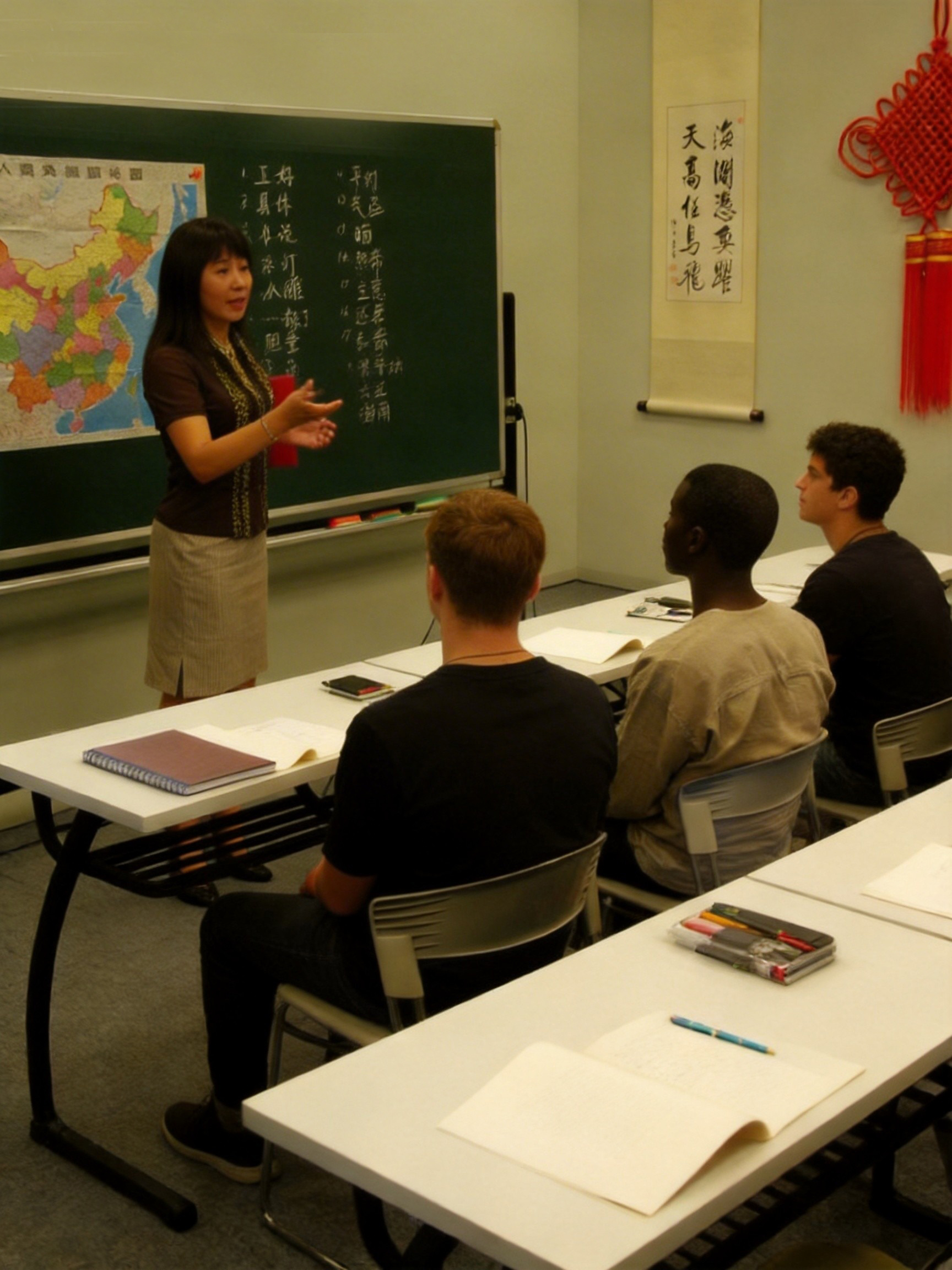
为了让项目回到“学习/交流”的正轨,我们会把学习安排做成可验证的结构:与中文学校合作,安排每周约6节中文课,并每月组织至少一次文化体验活动(如太极、书法、手作、风筝、节庆体验等)。在签证支持上,由合作学校出具录取/学习相关材料,参与者按短期学习目的申请学习类签证。以X2为例,它通常用于“180天以内的短期学习”。
四、合规边界:什么行为会把“交流”推向“工作”
讨论“是否非法”,绕不开一个现实:如果一个安排在外观上、内容上都更像“受雇劳动”,就会触发对“非法就业”的风险。中国的出入境管理规则对“非法工作”有明确的处罚条款。
从实践角度看,以下几类“变形互惠”最容易引发争议:
- 签证目的错配:用旅游(L)等与学习/交流目的不匹配的方式进入,再长期固定为某一家庭提供服务;签证类型本身是围绕出行目的区分的。
- 零用钱明显“工资化”:金额远超合理生活费水平,并与工作时长、职责绑定,容易被理解为雇佣报酬;
- 职责明显“家政化/保姆化/家教化”:做饭、保洁、带娃全流程、每日打卡、固定工时、绩效考核,甚至“必须完成教学目标”;
- 项目宣传“劳务化”:用“住家外教”“上门外教”“家政+英语教学”等名义吸引需求,本质已偏离文化交流。
这些模式被质疑“违法”,我完全理解:它们与传统意义的互惠生并不是一回事。
五、为什么有些“亲历者”会出问题
我接触到的咨询案例里,出现问题的常见原因往往是“三个错位”:
1)目的错位:参与者并不想学习,只想挣钱;家庭也把对方当作廉价劳动力;
2)规则错位:把零用钱当工资、把陪伴当工作、把交流当雇佣;
3)路径错位:没有学习安排与学校支持,或签证路径与实际活动不一致。
一旦发生以上错位,项目就很难被解释为“文化交流”,也更容易在检查时陷入被动。

六、我们如何降低风险:透明、书面化、可退出
为了尽可能减少误解与风险,我们会做三件事:
- 事前讲清:对家庭与参与者同步说明“不能把互惠生当家政/家教/外教”,并提供清单式的可做与不可做;
- 过程留痕:签署承诺与规则文件,明确不得在华从事额外有偿工作;如确需从事其他工作,应先退出项目并按规定办理相应手续;
- 过程跟进:定期回访,发现职责外溢及时调整或终止匹配。
我也必须诚实承认:人性复杂,利益诱惑下有人会偏离承诺。我们能做的是把规则与结构做扎实,把“学习/交流”做成可被看到的事实,并尽量把个体风险降到最低。
七、结语:把讨论拉回到“边界”而不是“标签”
互惠生是否“非法”,不应靠一句标签下结论,而要看它是否仍然是:以学习为主、以交流为核、以合理零用钱为辅、且不形成雇佣劳动外观的文化交流安排。反之,若以互惠之名做长期住家劳务、家政或系统教学,那被监管质疑、被公众批评,都是必然。
我希望行业更自律:把课程、活动、职责、费用与签证路径公开透明;也希望家庭与参与者更理性:尊重边界、尊重规则、尊重目的。只有这样,真正热爱中国文化、愿意来学习体验的人,才能在安全、合规、互相尊重的前提下,完成一次真实的文化交流。
— A perspective from an au pair program practitioner with 10 years of experience
Disclaimer: This is an opinion piece based on my program experience. It is not legal advice. Visa compliance and immigration enforcement can vary by case; please follow the competent authorities’ interpretations and the specific facts of each situation.
1. Where the controversy comes from
Around 2025, online discussions increasingly claimed that “being an au pair in China is essentially illegal work.” In some “first-hand accounts,” people reported being questioned, having their stay cut short, or even being asked to leave. I don’t want to dismiss those experiences. But I do want to clarify one key point: what is often being criticized is not a genuine cultural-exchange au pair arrangement—it is a “distorted model” that looks and operates like employment while using the au pair label.
2. What an au pair should mean in my understanding: cultural exchange, not employment
In the program I run, an au pair is first and foremost a learner and cultural participant—not a domestic worker, nanny, or live-in tutor. The core logic is simple: the participant is genuinely interested in Chinese culture and Mandarin; the host family provides room, board, and a language environment; the participant’s role is mainly companionship and interaction—not household labor, cleaning, cooking, or structured teaching.
That is why we write the boundaries in concrete, operational terms:
- Household duties: apart from keeping their own room tidy, they do not take on the family’s routine housework.
- Child interaction: closer to a “playmate + language partner,” not a nanny.
- Teaching: no formal tutoring responsibilities and no score-boosting or curriculum KPI.
- Money: only a reasonable allowance for daily expenses—avoiding anything that resembles wages tied to duties or hours.
3. Making “study” real: language classes and cultural activities
To keep the program anchored in learning and exchange, we build an observable study structure: we partner with a Chinese language school, arrange about six Mandarin lessons per week, and organize at least one cultural activity per month (e.g., tai chi, calligraphy, handicrafts, kites, festivals). For visa support, the partner school issues admission/study documents so participants can apply under a study purpose. For example, the X2 visa is commonly used for short-term study (generally no more than 180 days).
4. The compliance boundary: when “exchange” starts to look like “work”
If an arrangement looks and functions like paid labor, it risks being treated as illegal employment. China’s immigration framework contains explicit penalties for foreigners who work illegally.
From a practical standpoint, the following “deformed au pair” patterns are most likely to trigger controversy:
- Visa-purpose mismatch: entering on a tourism (L) route (or other mismatched purpose) and then providing long-term, fixed services to one family; visa categories are designed around the purpose of entry.
- Allowance turning into “salary”: amounts far beyond a reasonable living allowance, especially when tied to hours, duties, or performance.
- Duties turning into domestic work / nannying / tutoring: cooking, cleaning, full-time childcare, daily punch-in, fixed shifts, performance reviews, or “mandatory teaching outcomes.”
- Marketing turning into labor services: advertising as “live-in foreign tutor,” “in-home English teacher,” or “domestic help + English teaching,” which is no longer cultural exchange in substance.
If these models are criticized as illegal, I understand why—because they are not what au pairing traditionally means.
5. Why some “first-hand accounts” run into trouble
In the consultations I’ve seen, problems usually come from three kinds of mismatch:
- Purpose mismatch: participants are not here to study; they mainly want to earn money, and families treat them as cheap labor.
- Rule mismatch: allowance is treated as wages; companionship is treated as a job; exchange is treated as employment.
- Pathway mismatch: there is no genuine study plan or school support, or the visa pathway does not match the actual activities.
Once these mismatches appear, it becomes difficult to describe the arrangement as “cultural exchange,” and the situation becomes much riskier during any inspection.
6. How we reduce risk: transparency, written rules, and an exit option
To reduce misunderstanding and compliance risk, we focus on three measures:
- Clear pre-briefing: we tell both families and participants that au pairs cannot be used as domestic workers, tutors, or “live-in foreign teachers,” and we provide a do/don’t checklist.
- Written documentation: we require signed rules, including a commitment not to take additional paid work in China; if someone truly needs other work, they must exit the program first and follow the applicable procedures.
- Ongoing check-ins: we follow up regularly; if duties “spill over” the agreed boundaries, we adjust or terminate the match.
I also want to be honest: people are complex, and some may deviate when tempted by money. What we can do is make the rules and the learning structure real and visible—so that “study/exchange” is not just a slogan, but a set of verifiable facts.
7. Conclusion: focus on boundaries, not labels
Whether an au pair program is “illegal” should not be decided by a one-line label. It should be judged by substance: Is it study-led? Is exchange the core? Is the allowance reasonable? Does it avoid creating the appearance of an employment relationship? If the answer is yes, it is fundamentally different from long-term live-in labor, domestic service, or systematic tutoring disguised as “au pairing.”
I hope the industry holds itself to higher standards—transparent about courses, activities, duties, fees, and visa pathways. And I hope families and participants stay rational—respecting boundaries, rules, and purpose. Only then can those who truly love Chinese culture and want to learn in China complete a safe, compliant, and mutually respectful cultural exchange.